
EN
IT
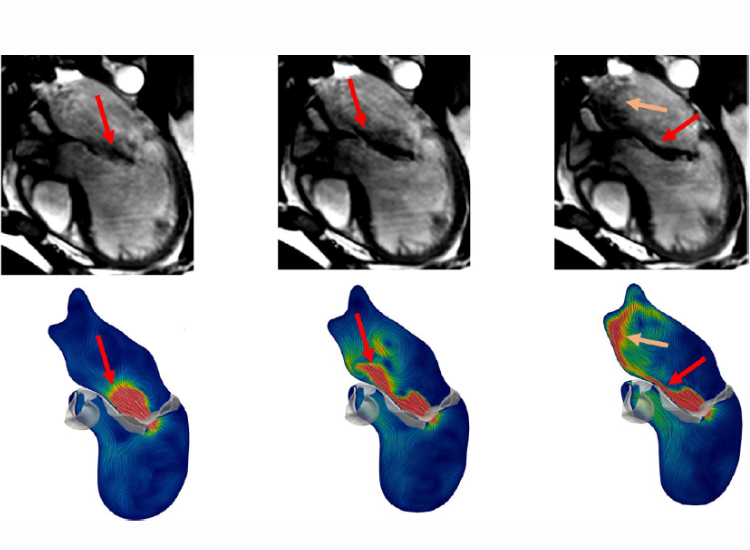
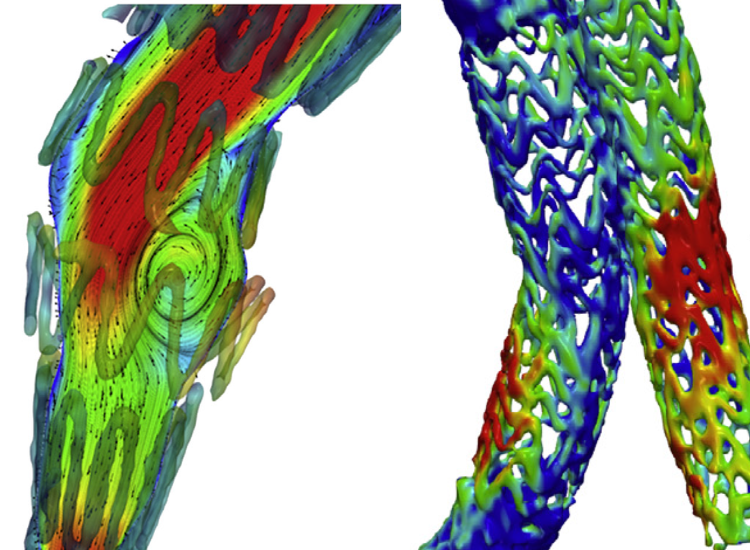
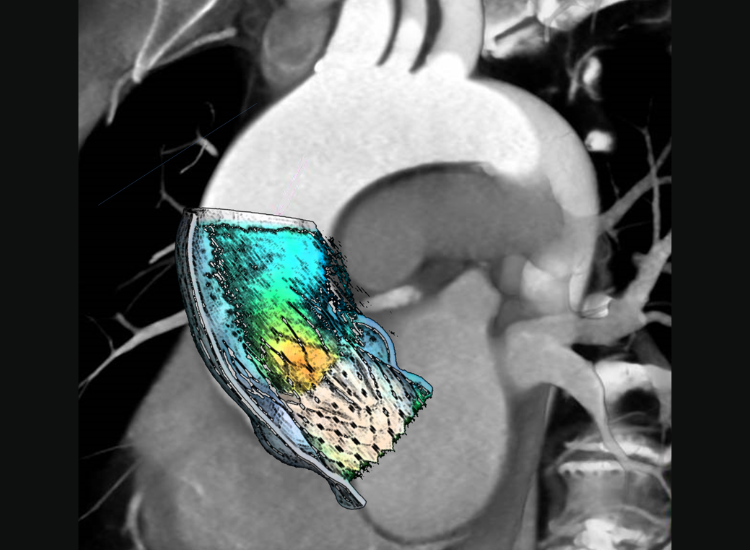
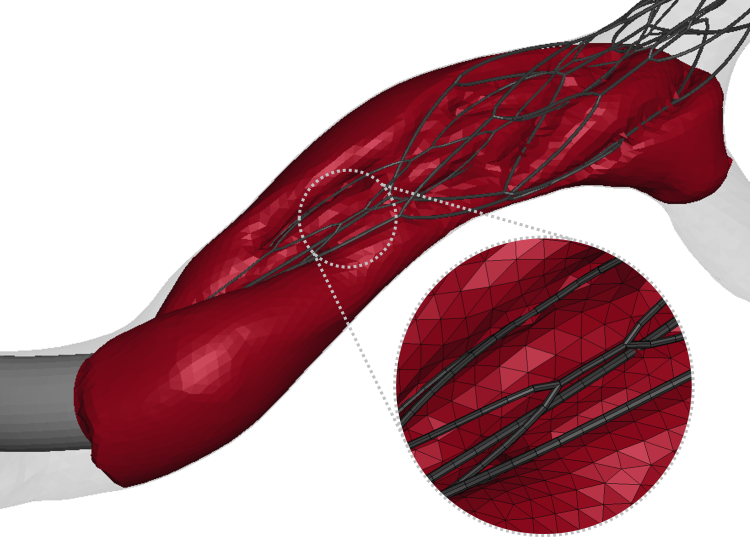
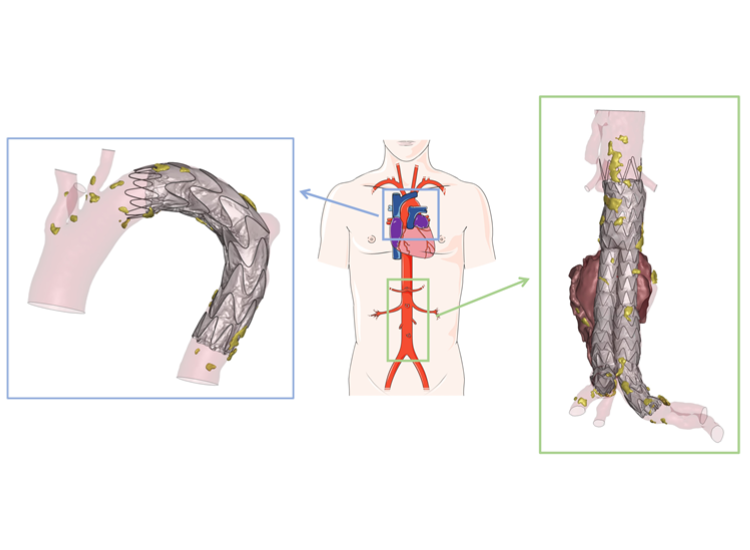
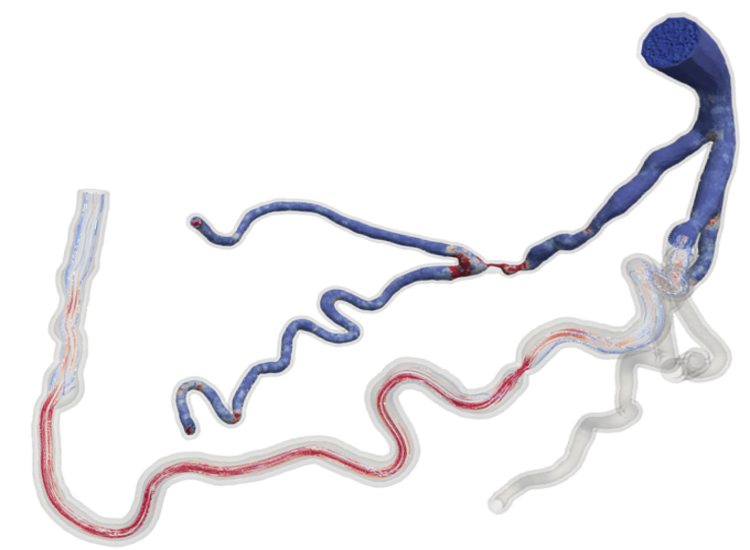
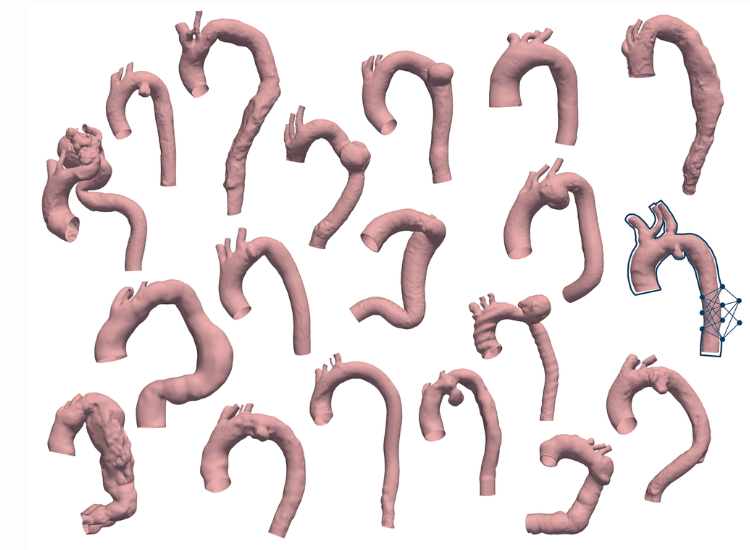
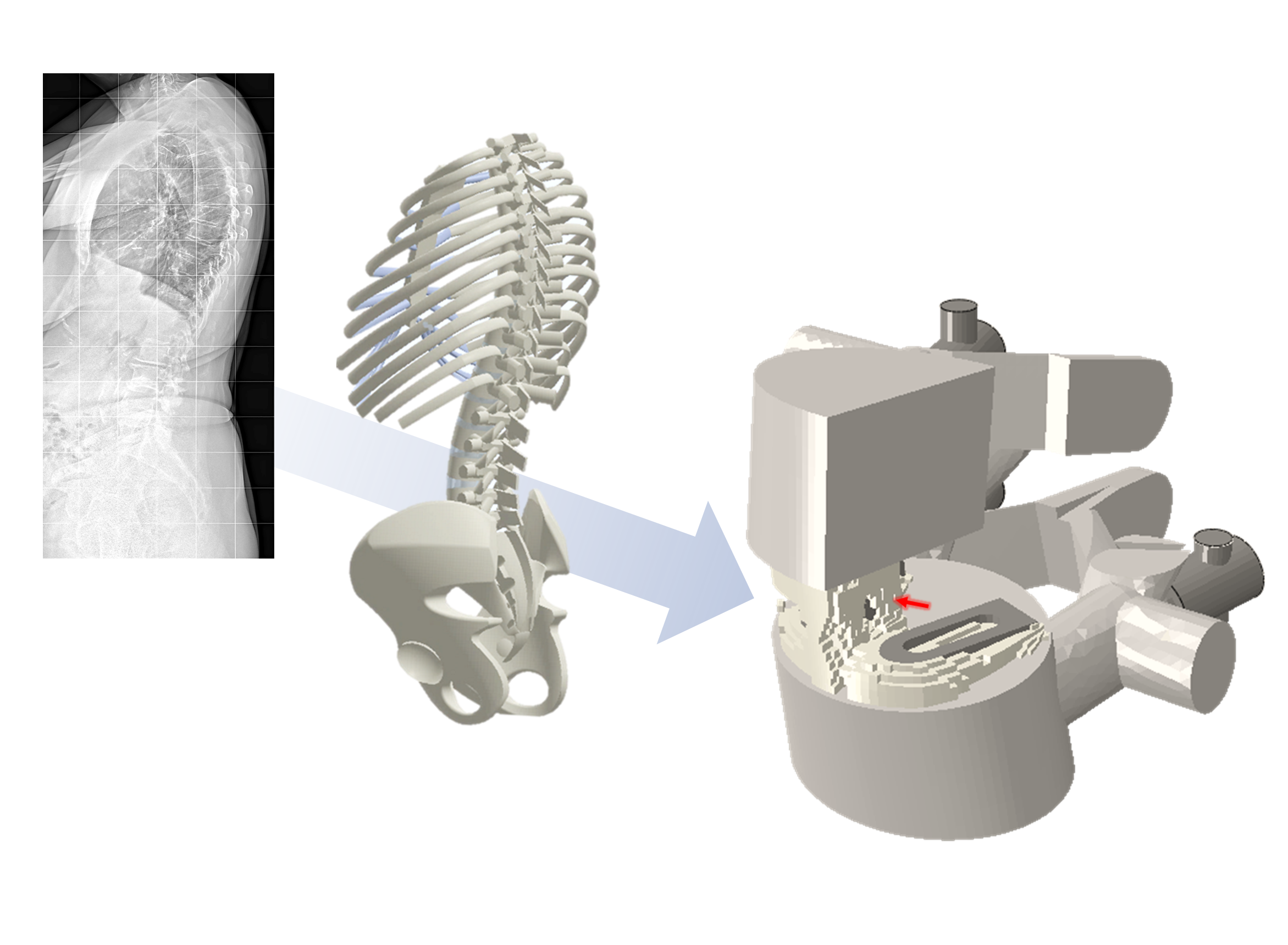
The laboratory aims to advance medicine by providing faster, more efficient, and personalized healthcare solutions through accurate and precise in silico trials and validated digital twin technologies.
Digital Twin
We develop computational models to support diagnosis, predict prognosis, and simulate the effects of available therapies in order to personalize treatment, describe the interaction between medical devices and individual patients, and support medical decision-making and procedure planning.
In Silico Trials
We use computational models to assess the safety and efficacy of new medical products on virtual populations.
The laboratory is a member of the VPH The Society for In Silico Medicine.
Facilities
The laboratory is equipped with a computing cluster that includes: one workstation with 16 cores and 65 GB of RAM, three workstations with 40 cores and 320 GB of RAM each, and 11 workstations with 56 cores and 520 GB of RAM each interconnected with a 100GB high-speed network.
Available research software licenses include PTC Creo Parametric, ANSYS, and BetaCAE, Dassault Systèmes SolidWorks, Dassault Systèmes Abaqus, Creo Parametric.
Clinical partners:
IRCCS Humanitas Research Hospital, Fondazione IRCCS Ca’ Granda Ospedale Maggiore Policlinico, IRCCS Carlo Besta Neurological Institute, IRCCS Galeazzi-Sant'Ambrogio Hospital, ASST Gaetano Pini-CTO Orthopedic and Traumatology Specialist Center, IRCCS Agostino Gemelli University Policlinic (Rome), ASST Sette Laghi Ospedale di Circolo di Varese, Centro Cardiologico Monzino IRCCS, Ospedale Borgo Trento Verona, Ospedale S. Maria del Carmine Rovereto (TN), Ospedale del Cuore "G. Pasquinucci" - Fondazione Toscana Gabriele Monasterio - Massa, Academisch Medisch Centrum Bij De Universiteit Van Amsterdam (Netherlands), Erasmus Universitair Medisch Centrum Rotterdam (Netherlands), Universitätsklinikum Schleswig-Holstein (Germany), Augsburg University Hospital (Germany).
Research activities are mainly focused on the fields of:
Cardiovascular diseases and treatments: aortic, cardiac, vascular, and valvular pathologies, including aneurysms, dissections, ulcerations, stenosis, calcification, myocardial ischemia and fibrillation.
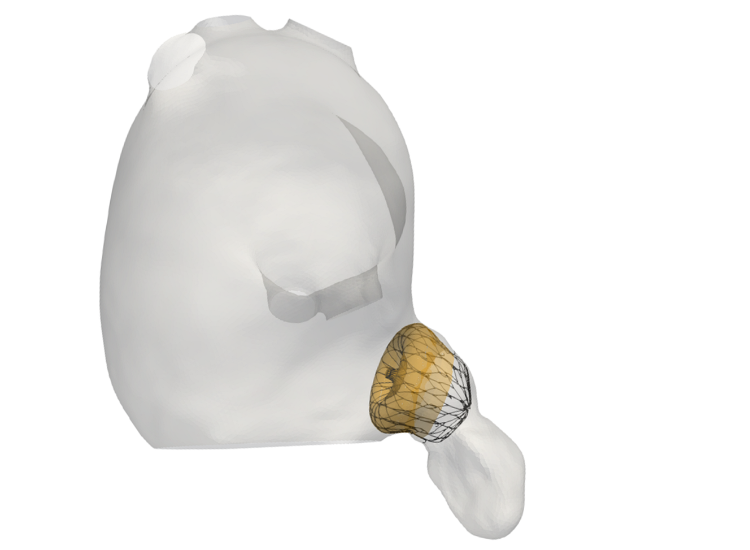
Among the treatments we model are TEVAR, EVAR, TAVI, stenting, LAAO and drug delivery.
Neurovascular diseases and treatments: ischemic stroke and cerebral aneurysms.
Among the treatments we model mechanical thrombectomy and flow diverter implantation.
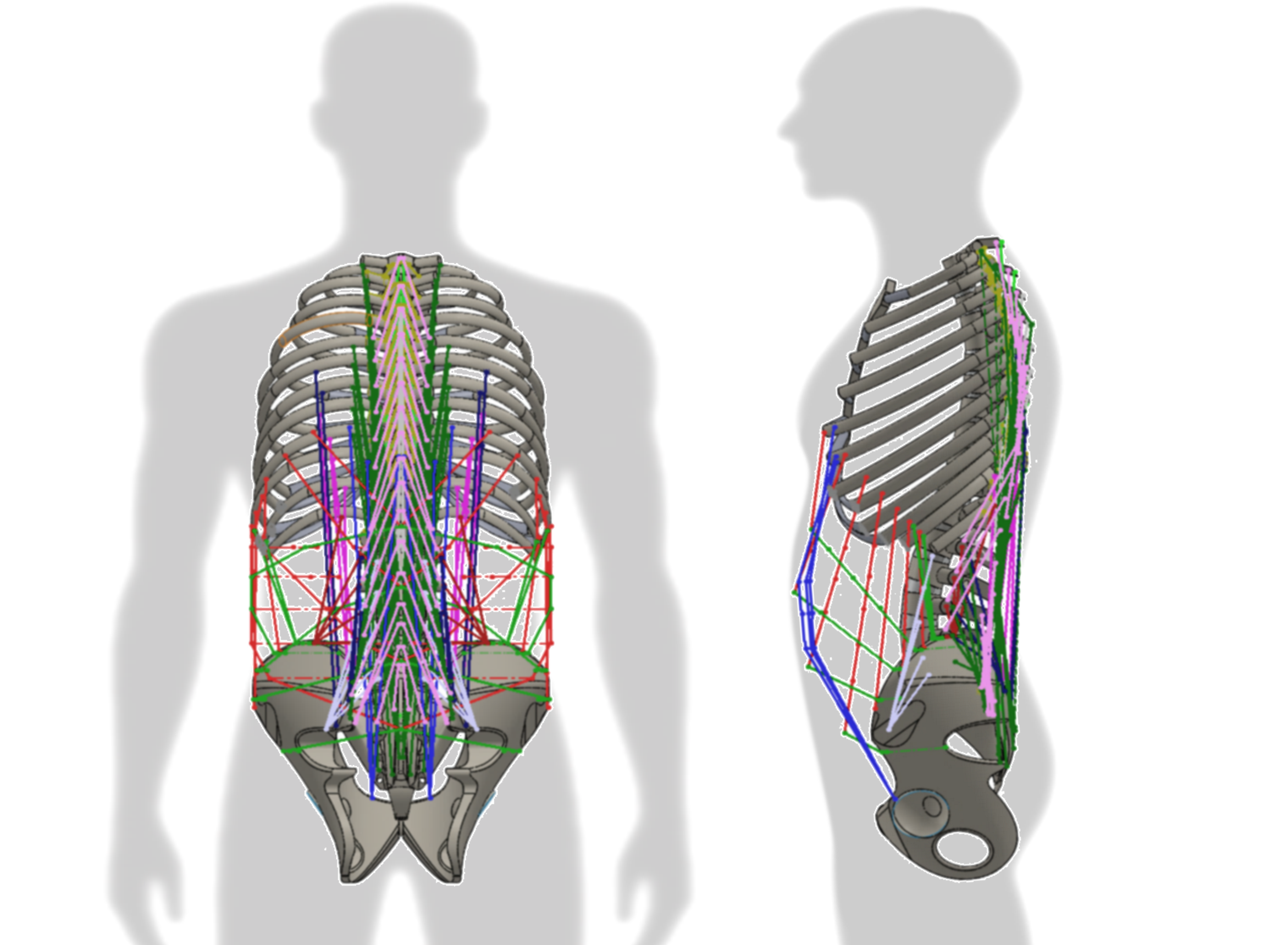
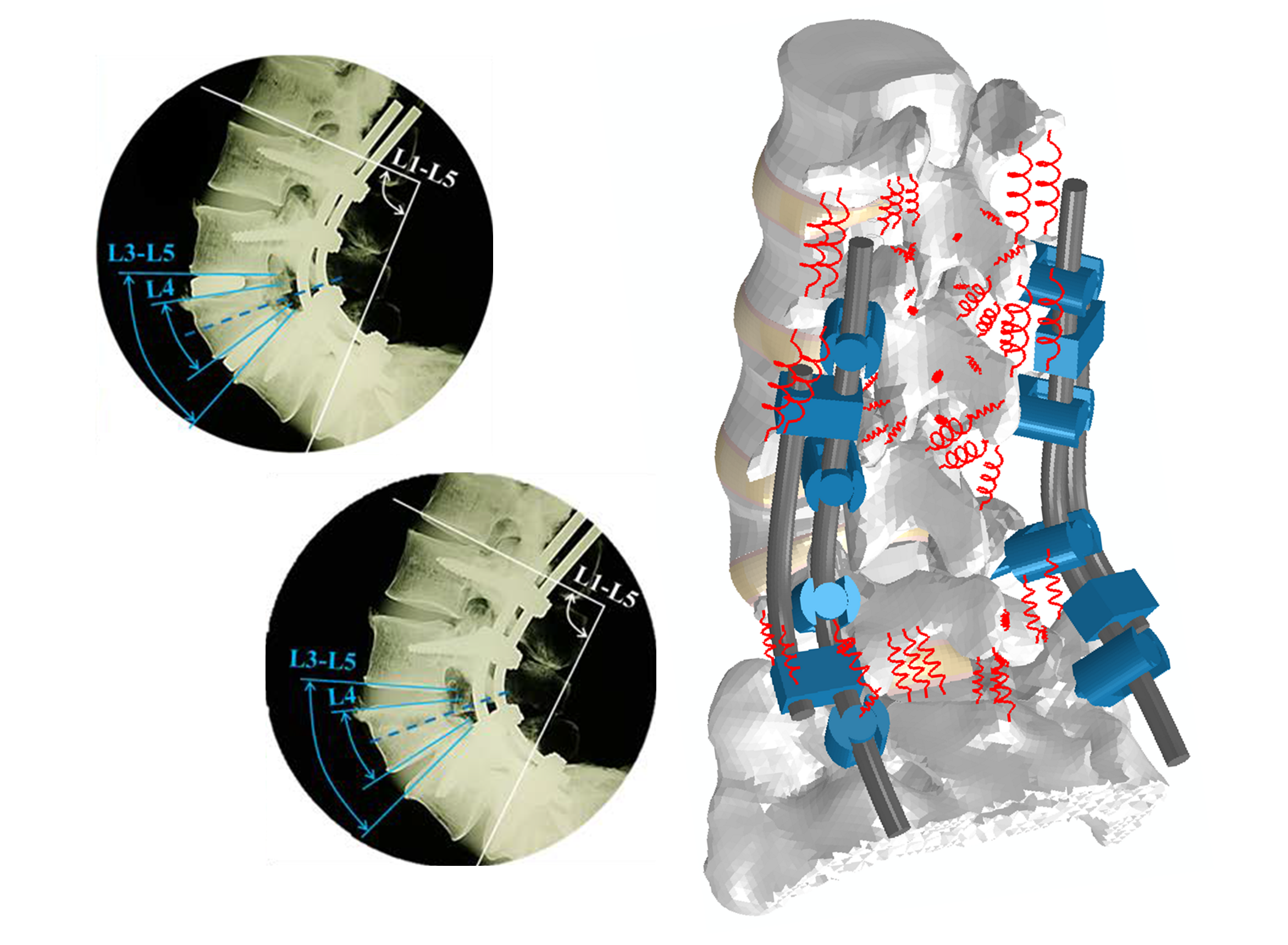
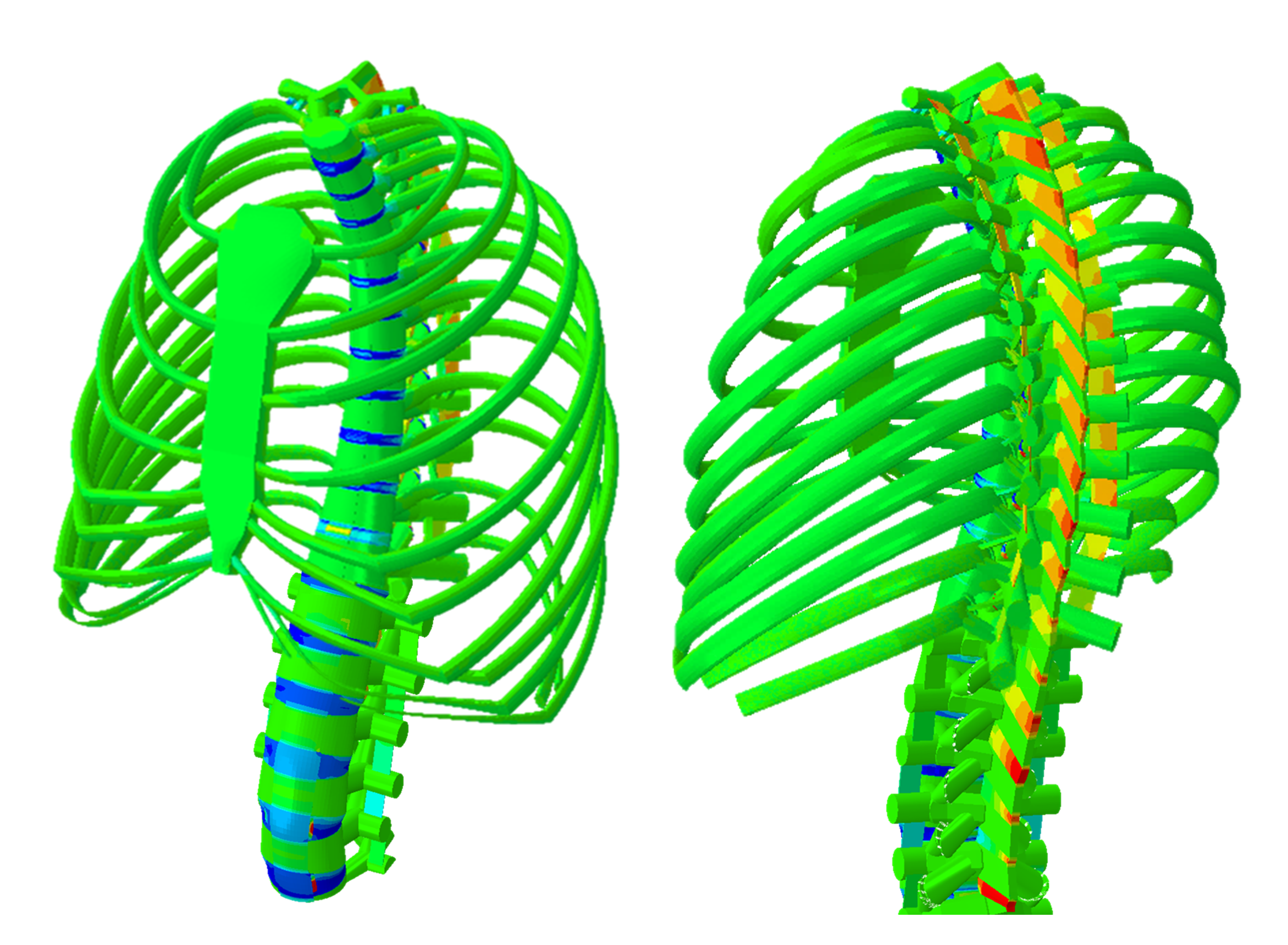
Musculoskeletal diseases and treatments: patho-physiology of orthopaedic and spinal diseases, including traumas, deformities (i.e., scoliosis), degenerations, tumours, aging and their clinical and surgical treatments adopting novel technologies and implants (i.e., custom-made 3D printed implants, regenerative scaffolds promoting mechanobiological processes). Among the conservative approaches we model physiotherapic maneuvers and exercises. Among surgical approaches we design and model fixation and interbody fusion, but also hybrid techniques, semi-rigid and dynamic devices.
Pharmacokinetics and pharmacodynamics. They allow computing the optimal administration route and dose of specific medications as well as simulating how the same remedy behaves in a random population of individuals. The availability of quantitative deterministic models allows the development of model-based techniques for optimal dosages, optimal control of administration, and comparison of different treatments and formulations of active principles.
Ongoing funded projects:
GEMINI: Towards GEMINI: A Generation of Multi-scale Digital Twins of Ischaemic and Haemorrhagic Stroke Patients. Prof. Migliavacca. HORIZON-HLTH-2023-TOOL-05-03
PROTEGO: Prognostic assessment of valvular aortic disease treatment coupling Immunological and biomechanical. Prof. Luraghi. ERC-2024-STG
PERSUADE: PERsistent atrial fibrillation: Substrate tArgeteD strategy. ERA4Health – CARDINNOV – 2023. Prof. Rodriguez Matas
PLACE – Planning LAa ClosurE: An integrated pipeline for planning of percutaneous left atrial appendage occlusion based on 3D printed and in-silico models, Ricerca Finalizzata, Italian Ministry of Health, Prof. Pennati
COMPUTES: COMbined biomarker criteria for coronary atherosclerotic Plaque rUpTurE aSsessment. Italian research project MIUR PRIN 2022, ID 2022ZKEP8S. Prof. Rodriguez Matas
AI-CORPS: Trustworthy, integrated Artificial Intelligence tools for predicting high-risk CORonary PlaqueS. FRRB, Regione Lombardía, ID 3432721. Prof. Rodriguez Matas
Machine learning for fluid-structure interaction in cardiovascular problems: efficient solutions, model reduction, inverse problems. Italian research project MIUR PRIN22-PNRR. Prof. Vergara
INNOVA, PNC PROGETTO HUB - DIAGNOSTICA AVANZATA (HLS-DA), Italian Ministry of Health, Prof. Vergara
CAL.HUB.RIA, HUB PER RICERCA INNOVATIVA ED AVANZATA, Italian Ministry of Health, Prof. Vergara
ANNA RAMELLA
SARA BARATI
CHIARA CELOTTO
FRANCESCA RENZI
ALESSANDRA CORDA
GIULIA DE CAMPO
FRANCESCA DUCA
VIRGINIA FREGONA
LETIZIA MARIA PERRI
LINDA CARPENEDO


Edificio 6
P.zza Leonardo da Vinci, 32
I-20133 Milano
Edificio 41
Via Edoardo Bassini, 6
I-20133 Milano